

Look, I blew $400 on paid AI writing software last year before I figured something out: most of us novelists really don’t need expensive subscriptions to get our books done. Here’s the thing nobody wants to admit about free AI writing tools—they’re actually pretty damn good.
I’ve finished three complete novel drafts using mostly free stuff, and honestly? The quality is just as good as what I was getting from those premium platforms that cost ten times more.
Things have changed so much. Free ChatGPT for authors can now do things that required expensive specialized software just a year and a half ago. You can brainstorm characters, work through complex plots, polish your dialogue—all without spending a dime. And that matters a lot when you’re writing your first AI assisted novel and can’t really justify paying monthly fees before you’ve even made a cent.
So this guide cuts through all the BS. I’m going to show you which budget AI writing tools actually work for novel writing on a budget, which features are worth paying for, and how to combine free resources into something that feels professional. No fluff here—just stuff I’ve actually tested while finishing multiple manuscripts.
AI Writing Tools Comparison Table
|
Tool |
Cost |
Best For |
Limitations |
|
ChatGPT |
Free |
Brainstorming, plotting, character development |
|
|
Rytr |
Free (10K chars/month) / $9/month (unlimited characters and more images) 29$/month (priority support & dedicated manager) |
Scene drafts, dialogue alternatives |
Limited free tier usage |
|
Chibi AI |
Free tier / $29/month paid |
Fiction-focused plot development |
Smaller user community |
|
QuillBot |
Free (limited) / $19.95/month paid |
Grammar checking, sentence refinement |
Free version restricts some features |
|
SudoWrite |
$19-59/month + Free trial |
Creative writing features, style improvement |
Higher cost, no permanent free tier |
For novel writing on a budget, start with ChatGPT and QuillBot free versions. Only upgrade or add tools when you consistently hit limitations that actually block your progress.
Top Free and Budget AI Tools for Novel Writing
I’ve tested seventeen different platforms over the past two years. Some were overhyped trash. Others surprised me. Here’s what actually works for AI novel writing :
Free ChatGPT for Writers
Free Chatgpt for authors tops my list because it’s genuinely free with no sneaky catches. You’re not getting some neutered trial—this is the full tool, available to anyone with internet.
The brainstorming beats some paid software I’ve used. When developing my thriller protagonist, I asked ChatGPT for fifty potential character flaws. From that list, I picked three that created interesting story tension. Took fifteen minutes. Doing that manually would’ve taken hours.
Outlining is so much faster. “I have a mystery where the detective discovers the killer is her childhood friend. Give me ten ways this could unfold in the climax.” ChatGPT gives you frameworks you can then refine with your own voice and plot details.
Scene drafting works when you know what needs to happen but can’t find the words. “Draft a tense confrontation between two former business partners meeting five years after a betrayal.” The AI scene probably won’t make your final draft unchanged, but it breaks through that blank-page paralysis.
Novel writing on a budget, you maximize free resources. ChatGPT handles character profiles, plot mapping, dialogue testing, continuity checking—all stuff other tools charge for. The cost of AI writing tool here? Zero.
Pro tip: Be specific with your prompts. “Write a fantasy scene” gives you generic slush. “Write a scene where a reluctant prophesied hero refuses the call to adventure because accepting would mean abandoning his sick mother” gives you something actually usable.
Rytr – Affordable AI Writing Tool
Rytr sits in that sweet spot between free and expensive. The free tier gives you 10,000 characters monthly—not generous, but enough for targeted use. That’s roughly 1,500-2,000 words depending on formatting.
I use Rytr for dialogue punch-up. When conversations feel dead, I paste the problematic parts and ask Rytr for three alternatives. The variations often show better phrasing or reveal where I’m being too obvious with exposition.
Rytr lies in budget AI writing tools. The paid tiers start at just $9 monthly, which is way more accessible than premium platforms charging $30-50. For writers needing slightly more capacity than free versions offer, it’s reasonable. AI writing tools pricing varies wildly.
Story snippets and scene descriptions benefit from Rytr’s concise output. Where ChatGPT sometimes rambles, Rytr stays tight. This works well for sharp prose or when you need quick alternatives to wordy passages.
Chibi AI – Flexible Novel Writing Support
Chibi AI-assisted storytelling surprised me. I expected another generic assistant, but found genuinely useful features tailored for fiction.
It’s great at plot idea generation. “I’m writing a space opera where faster-than-light travel was just discovered. Give me ten plot complications this creates.” Chibi produces thoughtful suggestions that consider story implications, not just surface drama.
The dialogue tools help maintain character voice consistency. You can feed Chibi several exchanges from your protagonist and ask if a new line matches their established speech patterns. This catches when characters accidentally sound identical—a super common mistake.
Chibi (AI writing assistant for authors) specifically targets fiction writers instead of blog content or marketing copy. That focus shows in features designed for narrative structure and character development.
The AI writing tool cost stays reasonable. Chibi offers generous free usage with paid tiers that won’t wreck most budgets. I’ve finished entire drafts using mainly the free version.
SudoWrite – Creative Writing AI
Full disclosure: SudoWrite isn’t free. But it offers free trials, and the paid version is cheaper than many alternatives while giving way better creative writing support.
The platform was built by novelists for novelists, and you can tell. “Describe” takes sparse prose and adds sensory details. “Rewrite” offers style alternatives without losing your voice. “Brainstorm” generates plot ideas that actually make sense narratively.
I really value the “Twist” feature. You feed it your current plot direction, and it suggests unexpected turns that maintain story logic. This beats the generic surprise suggestions most AI tools spit out.
If you use it regularly, SudoWrite (affordable AI writing software) justifies its cost. The free trial lets you test whether the creative features match your process. A lot of novelists find it worth the investment after trying alternatives.
While making AI writing tools comparison, SudoWrite sits in the “premium budget” category. It costs more than Rytr but way less than top-tier platforms. The question is whether the fiction-specific features justify the price for how you work.
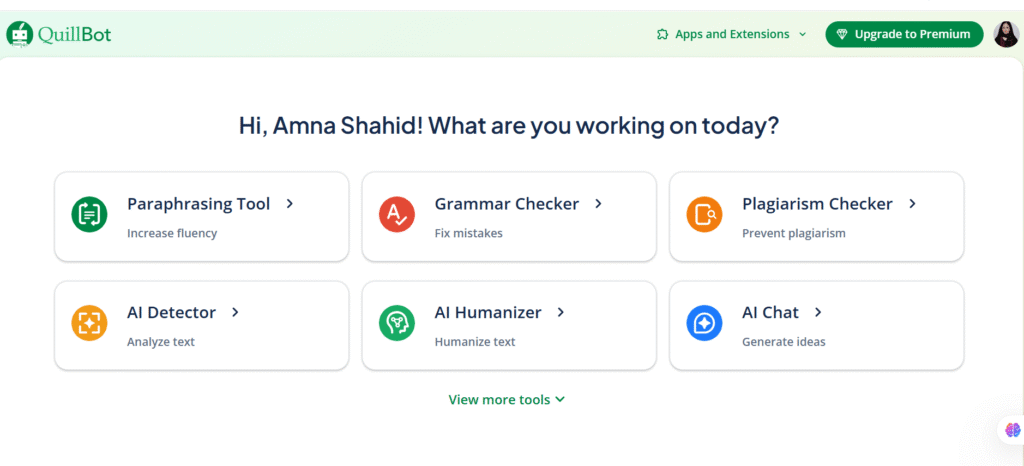
QuillBot – Budget-Friendly Writing Assistance
QuillBot isn’t technically a novel-writing tool—it’s for paraphrasing and grammar. But I use it constantly during revisions.
The free plan handles most editing needs. You can paraphrase clunky sentences, check grammar, adjust tone. This matters during revision when you’ve drafted the novel and now need to polish.
I run dialogue through QuillBot to test if simpler phrasing works better. You’d be surprised how often complex sentences improve when streamlined. The tool suggests alternatives you might not think of.
Budget AI writing tools don’t always mean specialized writing software. General-purpose tools like QuillBot serve specific workflow stages. Use ChatGPT for drafting, QuillBot for revising, and you’ve covered both ends without spending money.
When comes to AI writing tools pricing model, the functional free tier with premium upgrades works well for novelists. Most of us don’t need unlimited paraphrasing. The free version handles typical editing sessions fine.
Why AI Tools Are Game-Changers for Authors
Writing a novel used to mean either hiring expensive editors or spending years getting good through trial and error. AI writing assistant for authors collapsed that timeline.
Think about how this works in real life. You’re cruising along, then you hit a wall around chapter twelve. Your protagonist needs to react to devastating news, but everything you write sounds either wooden or way too dramatic. Before AI, you’d either push through with mediocre writing or spend hours researching how other authors handled similar scenes.
Now? You describe what you’re going for to an AI tool, get three different approaches in seconds, and use those as jumping-off points for your own version. That’s not cheating—that’s just working smarter.
AI writing tools for creative writers are especially good at breaking through specific problems. Character backstory feeling thin? Generate twenty questions about your protagonist’s childhood and answer the five that click with you. Dialogue falling flat? Test different versions until you find the right rhythm. Plot twist not working? Explore ten different ways the big reveal could go down.
The speed matters more than people think. Keeping momentum is huge when you’re trying to finish a novel. When you’re not stuck for three days on one scene, you actually keep moving forward. That psychological win adds up over the months it takes to write a book.
How Free ChatGPT Can Help Authors
I’ll just say it: free ChatGPT for authors handles about 80% of what expensive specialized writing software does.
Character development becomes this interactive conversation instead of staring at blank character sheets. You just talk to ChatGPT about your protagonist. “My detective grew up in rural Montana but works in Manhattan. What childhood stuff might create friction in her police work?” The AI spits out possibilities—some great, some not—but all of them get your brain working.
AI-assisted storytelling is amazing for plot development. My urban fantasy novel had this complex magic system that needed to stay consistent across forty chapters. ChatGPT became my continuity checker. I’d ask stuff like, “In chapter seven, I said fire magic drains the user’s body temperature. What should logically happen when my protagonist uses it repeatedly in chapter twenty-three?” This catches problems before your beta readers do.
The tool works really well for dialogue, too. You can test how different characters would say the same thing. “How would a cynical ex-cop say this versus a naive rookie?” Getting those variations immediately helps you nail each character’s voice.
Here’s the secret, though: ChatGPT is great at generating raw material, but you still need to use your judgment. It can’t write your novel for you—anyone saying otherwise is either lying or cranking out generic garbage. But for brainstorming, problem-solving, and expanding your initial ideas? Absolutely worth it, especially for novel writing on a budget.
Paid vs Free AI Writing Software: What to Consider
Let me address the awkward question: should you actually pay for this stuff?
I spent months testing both approaches. Honest answer? Most novelists don’t need paid AI writing software until they’re consistently finishing manuscripts and have specific gaps that free tools don’t cover.
AI Writing Tools Pricing and Costs
Free AI writing tools provide:
- Unlimited brainstorming and idea generation (ChatGPT)
- Basic grammar and style checking (QuillBot free tier)
- Limited monthly content generation (Rytr, Chibi AI)
- Plot development and character creation support
That covers 90% of writing a novel. Seriously. Character profiles, plot outlines, scene drafts, dialogue refinement, and basic editing—all doable with free resources.
Paid AI writing software adds:
- Advanced style analysis and suggestions
- Plagiarism checking (important for peace of mind)
- Unlimited generation without monthly caps
- More sophisticated editing algorithms
- Better memory and consistency tracking across long documents
The question about AI writing tool cost becomes: do these premium features justify $240-600 annually? For hobbyist novelists, probably not. For authors earning money from writing or planning to publish professionally, maybe.
Many paid tools offer free trials. Use them strategically. Write your first draft with free tools, then trial premium software during revision when advanced editing features matter most.
Affordable AI Writing Software Options
If you decide some paid features matter, choose budget AI writing tools wisely.
Best budget options:
- Rytr ($9/month) – Most affordable for basic generation needs
- Chibi AI ($29/month) – Fiction-focused at reasonable cost
- QuillBot Premium ($19.95/month ) – Excellent editing value
- SudoWrite ($19/month) – Premium creative features, still cheaper than top-tier platforms
The strategy: combine one paid tool that addresses your biggest workflow gap with free tools handling everything else. Don’t subscribe to multiple services with overlapping features.
AI writing tools comparison reveals that stacking subscriptions gets expensive fast. A novelist paying for SudoWrite, ProWritingAid, and ChatGPT Plus spends $60+ monthly. That’s $720 yearly—serious money for unpublished writers.
Tips for Novel Writing on a Budget
Writing novels doesn’t require expensive tools. It requires smart tool usage.
Combining Free Tools for Maximum Efficiency
The secret isn’t finding one perfect platform. It’s stacking multiple free novel writing AI resources into a complete workflow.
My current process:
- ChatGPT – Initial brainstorming, character development, plot outlining
- Rytr free tier – Drafting problematic scenes when stuck
- QuillBot – First editing pass, grammar checking, sentence refinement
- ChatGPT again – Dialogue punch-up and consistency checking
This covers every major writing stage without spending anything. Each tool handles what it does best. Together, they replace expensive all-in-one software.
AI tools work better when specialized. ChatGPT’s brainstorming beats dedicated paid tools. QuillBot’s editing matches expensive grammar checkers. Combining their strengths costs nothing.
Layer tools strategically through your process. Don’t force one platform to handle everything. ChatGPT generates terrible first-draft prose but excellent story ideas. QuillBot can’t develop plots, but edits sentences beautifully. Use each for its strength.
How to Avoid Extra Costs While Writing Your Novel
Novel writing on a budget means being smart about subscription creep. I almost fell into this trap myself. ChatGPT Plus looked appealing. Then Grammarly Premium. Then SudoWrite. Before you know it, you’re spending $60 monthly on writing tools when you haven’t earned a dollar from novels yet.
Strategies that work:
- Stick to free tiers unless you consistently hit limits multiple times monthly
- Avoid subscription stacking—paying for three tools with overlapping features wastes money
- Track usage carefully on free platforms to avoid unexpected overages
- Use paid trials strategically during final editing rather than while drafting
- Share subscriptions with writing partners if the terms of service allow
Most budget AI writing tools have generous free tiers intentionally. Companies want you to try their platforms. Many novelists never need to upgrade.
The psychological trap: “I’ll be more productive if I just pay for this tool.” Usually false. Your productivity bottleneck probably isn’t the software—it’s sitting down to write consistently. Free tools work fine if you’re actually using them.
Final Thoughts
Free AI writing tools eliminated the biggest barrier facing aspiring novelists: expensive software that used to be required for professional-quality work.
Free ChatGPT for authors alone handles character development, plot structuring, dialogue refinement, and brainstorming—tasks that once needed costly specialized programs or years of craft development. Combined with QuillBot for editing and Rytr for supplemental drafting, you have a complete workflow without spending anything.
I’ve completed three full novels using primarily free resources. The quality matches the work I produced with expensive paid platforms. The difference wasn’t the software—it was consistent application and smart tool usage.
FAQs
1. Is there a completely free AI writer?
Yeah, absolutely. ChatGPT is completely free with no sneaky limitations or trial periods that expire. You get full access to GPT-3.5 without paying anything, and it handles character development, plot brainstorming, dialogue generation, and story planning really well.
The catch? Free ChatGPT doesn’t save your conversation history indefinitely, and during busy times, you might get slower responses. But for actual writing help? Fully functional and genuinely free.
2. Which AI tool is totally free?
ChatGPT stands out as the most powerful, completely free AI tool for writers. No credit card required, no trial limitations, no hidden charges. Google’s Gemini (formerly Bard) also offers free access with capabilities similar to ChatGPT.
3. Is it illegal to publish a book written by AI?
No, it’s not illegal to publish AI-assisted books. However, there are important legal and ethical things you need to understand. Current U.S. copyright law doesn’t grant copyright protection to purely AI-generated content. This means if AI wrote your entire book without human creative input, you likely can’t copyright it, which means anyone could copy and republish your work legally. But here’s the important distinction: AI-assisted writing is different from AI-generated writing.
4. Is there a free AI better than ChatGPT?
For general novel writing tasks, probably not. ChatGPT sets the benchmark that other free AI tools compete against. However, some alternatives excel in specific areas. Google’s Gemini (formerly Bard) offers comparable free access with some advantages. For research-heavy writing requiring current facts, Gemini has an edge. Claude (by Anthropic) offers a free tier with longer context windows, meaning it remembers more of your conversation.
Leave a Reply